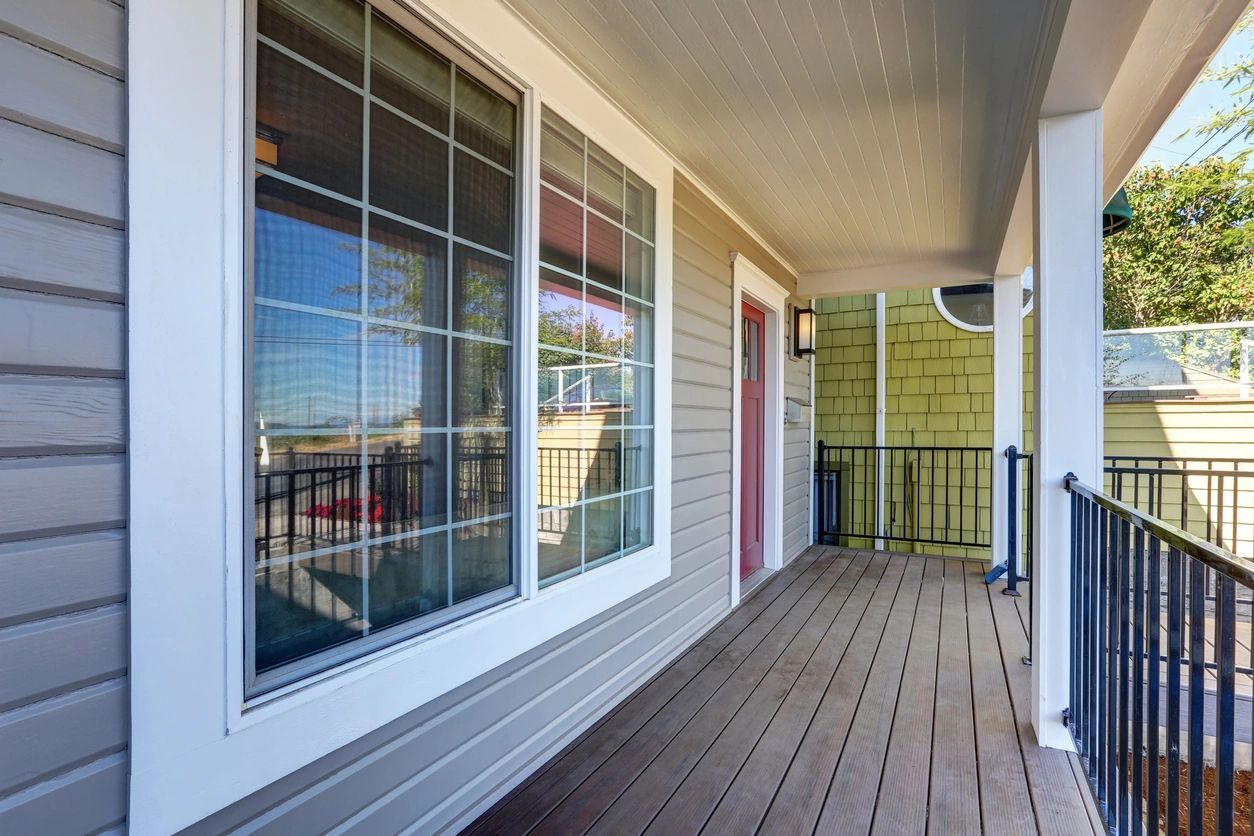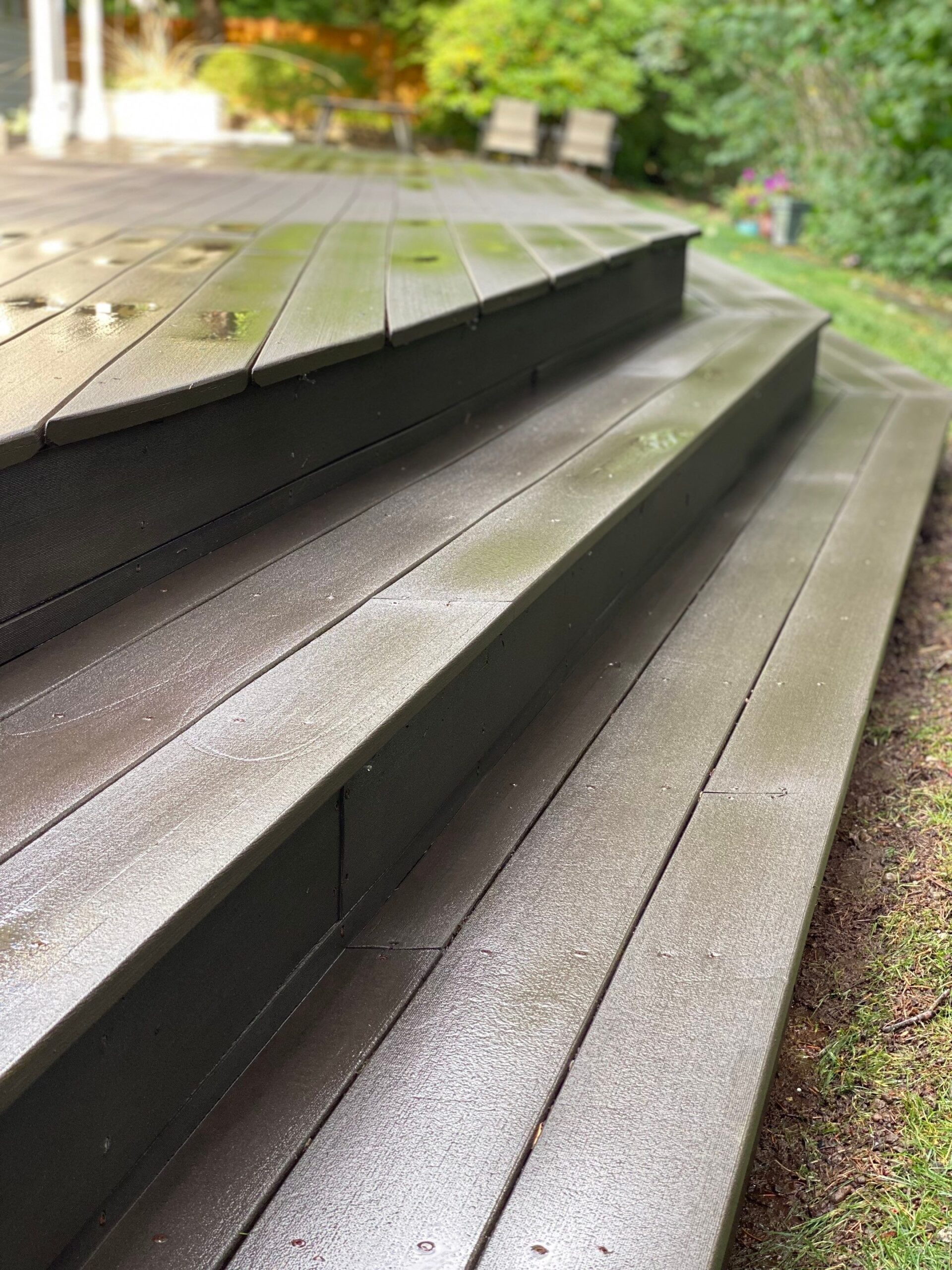

When homeowners think about exterior cleaning, “pressure washing” is often the first term that comes to mind. But for many homes, especially during colder months in Washington, pressure is not the best choice. Soft washing house siding is a safer, more effective way to remove algae, mildew, and buildup without risking damage to siding, paint, or trim.
In areas like Bonney Lake, Lake Tapps, Sumner, and Enumclaw, winter moisture can cause green growth to appear quickly on north-facing walls and shaded sections of a home. Soft washing is designed for exactly that type of problem.
What Is Soft Washing?
Soft washing is an exterior cleaning method that uses low-pressure water combined with cleaning solutions designed to break down organic growth like:
- Algae
- Mildew
- Mold
- Lichen
Instead of relying on blasting power, soft washing relies on chemistry and dwell time to lift buildup, then rinses it away gently.
Soft Washing vs Pressure Washing for Siding
Pressure washing can be appropriate for hard surfaces like concrete in the right conditions. But for siding, pressure can cause issues, including:
- Forcing water behind siding panels
- Damaging paint or chalking finishes
- Etching softer materials
- Splintering wood or harming trim
- Creating leaks around windows and doors
Soft washing avoids those risks by using the lowest pressure needed to rinse, while still removing the grime and growth homeowners want gone.
Why Cold Months Make This More Important
During winter, homes stay damp longer. That creates two problems:
- Organic growth spreads faster
- High-pressure washing increases the risk of forcing water where it should not go
Soft washing is the safer option because it reduces aggressive spray and helps kill growth at the root. For homeowners who want a clean exterior without surprises, it is the smarter winter approach.
What Types of Siding Benefit Most
Soft washing is commonly used on:
- Vinyl siding
- Fiber cement siding
- Painted wood siding
- Stucco and textured surfaces
It is especially helpful for homes with delicate trim or older paint that may not tolerate heavy pressure.
Signs Your Siding Needs Cleaning
If you notice any of these, soft washing is usually the best solution:
- Green or black streaks on siding
- Dark buildup around gutters and downspouts
- Spots that stay damp after rain
- Mildew smell near exterior walls
- Visible grime on lighter paint colors
What to Expect From a Professional Soft Wash
A professional soft wash should include:
- Pre-inspection of siding type and problem areas
- Application of soft wash solution to break down growth
- Dwell time to loosen buildup
- Low-pressure rinse to remove residue safely
- Final check for streaking and missed areas
The end result should look clean and natural, not etched or damaged.
Schedule Soft Washing House Siding With Spruce Goose
Soft washing house siding is a smart choice for winter exterior maintenance in Washington. If you are in Bonney Lake or nearby areas like Lake Tapps, Sumner, or Enumclaw, Spruce Goose can help you clean your home’s exterior safely and effectively.
FAQs
Is soft washing safe for vinyl siding?
Yes. Soft washing is one of the safest and most effective ways to clean vinyl siding without damage.
Does soft washing remove algae and mildew?
Yes. Soft washing is designed to break down and remove organic growth like algae, mildew, and mold.
Is soft washing better than pressure washing?
For most siding, yes. Pressure can damage finishes or force water behind panels. Soft washing is gentler and more controlled.
Can you soft wash in winter in Washington?
In many cases, yes, as long as conditions are appropriate. Soft washing is often preferred in cooler months because it reduces risk compared to high pressure.