By August, many homes across Western Washington have accumulated months of subtle exterior buildup. While spring and early summer cleaning focus on active algae growth, late summer house washing is about removing the residue that lingers after months of heat, dust, pollen, and moisture cycles. Addressing this buildup in August prepares the home for fall rain and helps prevent staining from becoming permanent.
In areas like Puyallup, South Hill, and Parkland, summer may feel dry, but exterior surfaces still experience moisture from overnight dew, irrigation overspray, and shaded areas that never fully dry. These conditions allow algae, mildew, and airborne grime to slowly accumulate on siding even when growth is less noticeable than in spring.
Why Buildup Is Harder to Notice in Late Summer
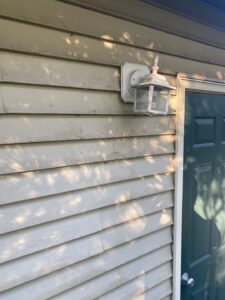
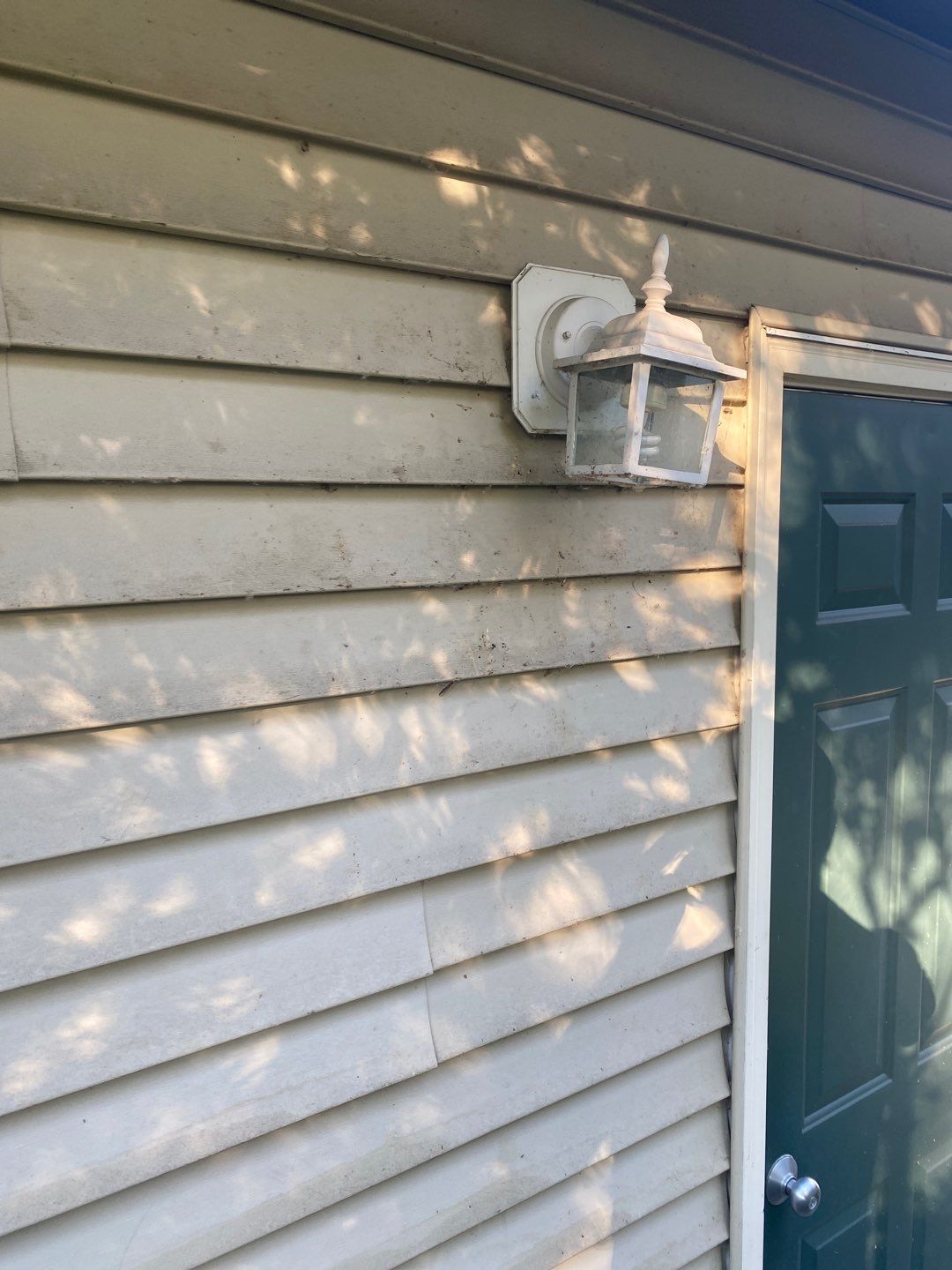
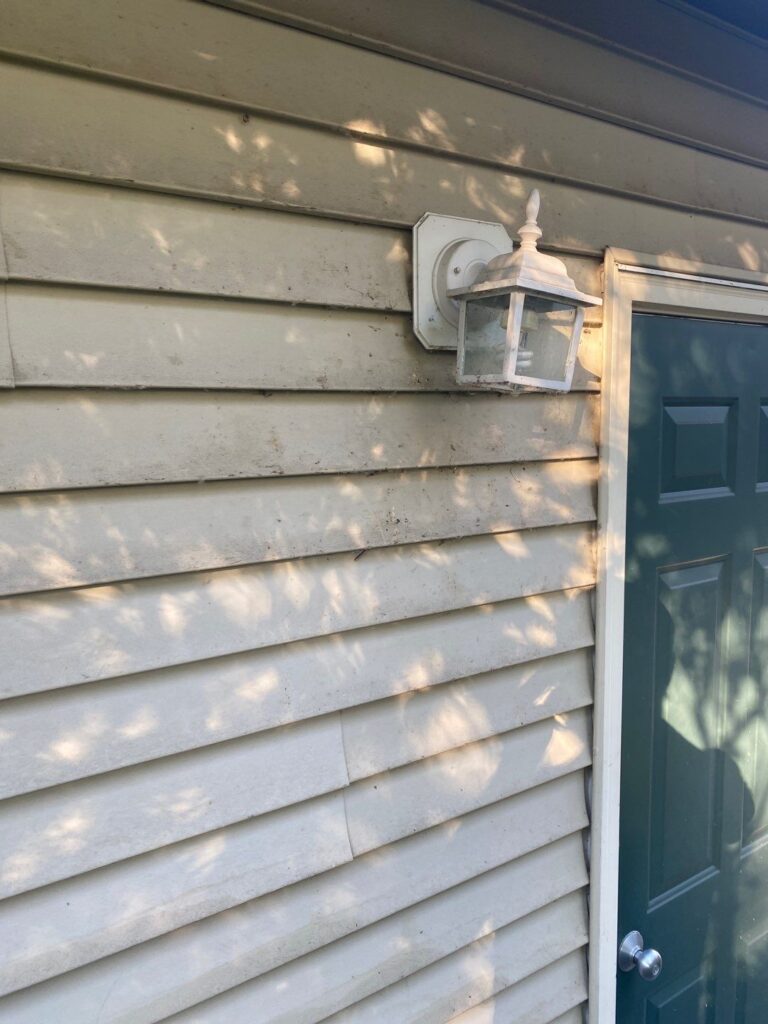
Late summer buildup often looks different than spring algae. Instead of bright green streaks, homeowners may see:
- Dull or faded siding color
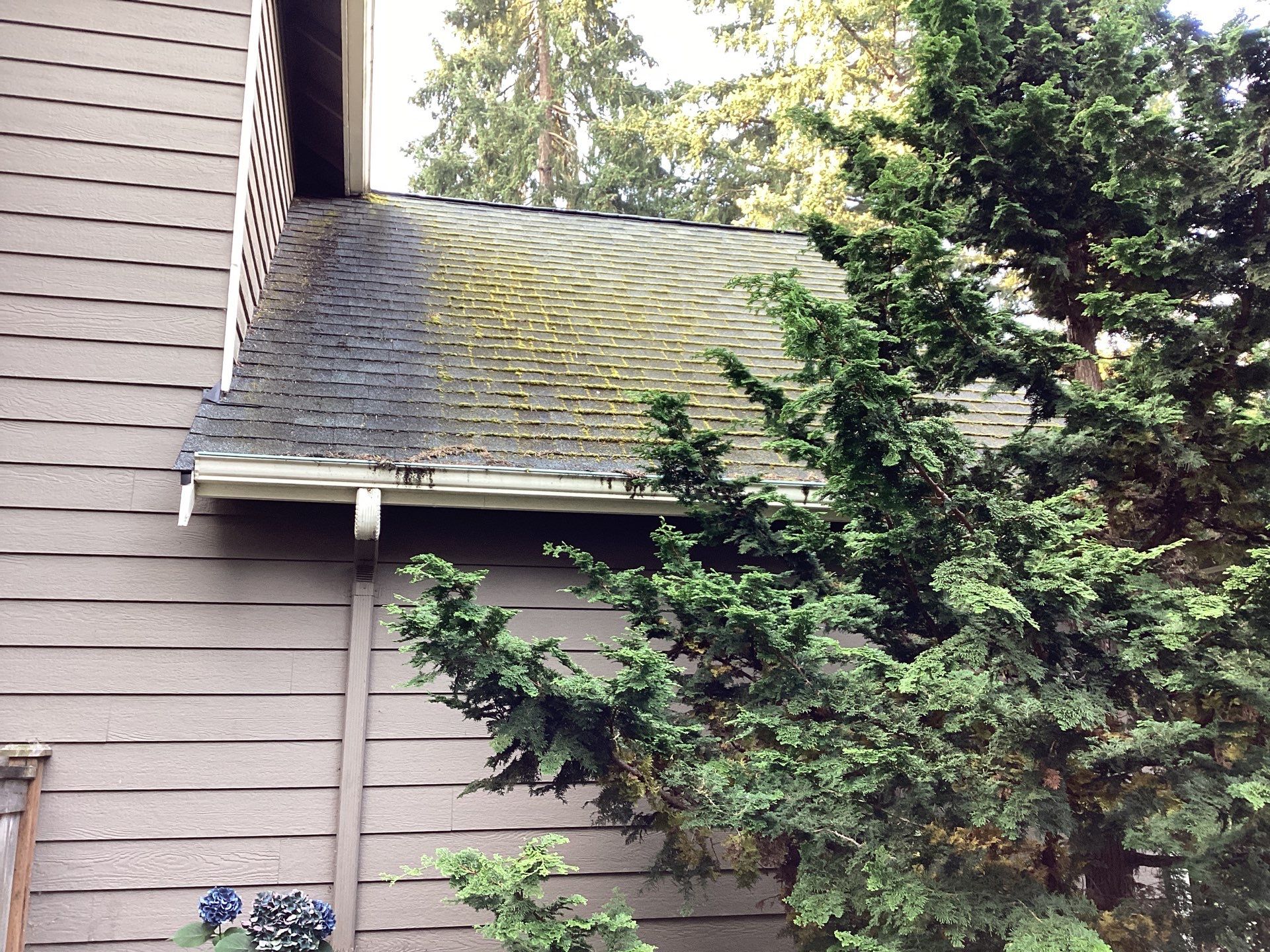
- Darkened patches under eaves
- Light gray or brown film on siding
- Dust and pollen residue stuck to damp surfaces
Because this buildup develops gradually, it’s easy to overlook until fall rain makes it darker and more visible.
How Summer Conditions Contribute to Hidden Grime
Even during dry stretches, siding is rarely fully dry for extended periods. Morning dew forms almost daily, especially in shaded neighborhoods. When dew mixes with dust and pollen, it creates a sticky residue that bonds to siding surfaces.
Over time, this leads to:
- Increased staining once moisture returns
- Algae reactivating quickly in fall
- More aggressive cleaning needed later
Late summer house washing removes this residue before fall weather accelerates the problem.
Why Late Summer Is the Best Time to Wash Siding
August offers several advantages for house washing:
- Consistent drying conditions
- Reduced active growth compared to spring
- Better visibility of grime and discoloration
- Longer-lasting results before fall rain
Cleaning now prevents fall moisture from locking stains deeper into siding materials.
Why Soft Washing Is Still Essential
Even though algae growth slows in summer, siding materials are more vulnerable due to heat expansion. High pressure can crack paint, force water behind siding, and cause long-term damage.
Soft washing remains the correct method because it:
- Uses low pressure safe for siding
- Breaks down organic residue
- Removes grime without damaging finishes
- Slows regrowth when rain returns
This approach ensures siding is clean without risking structural or cosmetic damage.
Benefits of Late Summer House Washing
Homeowners who schedule house washing in August often notice:
- Brighter siding heading into fall
- Reduced algae return in early autumn
- Less aggressive cleaning needed later
- Improved curb appeal through the end of the season
Late summer cleaning acts as a reset before the wettest months return.
How Often Late Summer House Washing Is Needed
Most homes do not need full house washing every summer, but properties with:
- Heavy shade
- Tree coverage
- Limited airflow
often benefit from late summer maintenance every 12 months. Homes with better sun exposure may stretch closer to 18 months.
Preparing Your Home for Fall Weather
Late summer house washing is not just about appearance. It’s preventative maintenance. Removing residue now helps siding shed water properly once fall rain arrives, reducing moisture retention and surface deterioration.
Schedule Late Summer House Washing
If your siding looks dull or uneven after months of summer exposure, August is the right time to act. Spruce Goose Exterior Cleaning provides professional late summer house washing designed for Western Washington homes and climate conditions.
FAQs
Is August too late to wash a house?
No. August is ideal for removing buildup before fall moisture returns.
Will house washing last through fall?
Yes. Late summer cleaning often slows regrowth into early fall.
Is soft washing safe in hot weather?
Yes, when performed professionally with proper solutions.
Does late summer cleaning reduce fall algae growth?
Yes. Removing residue now limits how quickly algae returns.