
As spring transitions into summer, many homeowners assume exterior cleaning is no longer necessary. In reality, early summer is one of the most important times to address siding buildup. Summer house washing removes the algae, pollen, and grime that developed throughout spring before summer heat causes stains to darken and become more difficult to remove.
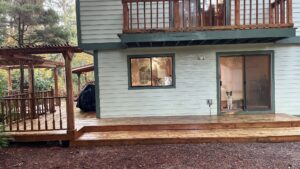
In Western Washington, homes in areas like Puyallup, South Hill, and Parkland experience extended moisture well into late spring. Even as rainfall decreases, overnight condensation and shaded areas continue feeding algae growth. By June, siding that looked “okay” in April can suddenly appear streaked and dull.
Why Spring Growth Becomes a Summer Problem
Algae growth follows a predictable pattern. Spring activates growth, and early summer locks it in. Once temperatures rise, organic staining bonds more aggressively to siding surfaces.
Several factors contribute to this shift:
- Rising daytime temperatures
- Continued moisture from morning dew
- Longer sun exposure that darkens stains
- Pollen residue bonding to damp siding
If algae is not removed before this point, cleaning later in summer often requires stronger treatments and more effort to achieve the same results.
What Happens If House Washing Is Delayed Until Late Summer
When house washing is postponed, homeowners often notice:
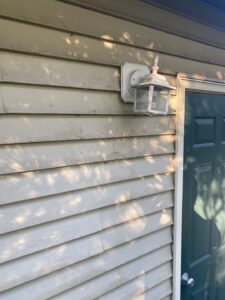
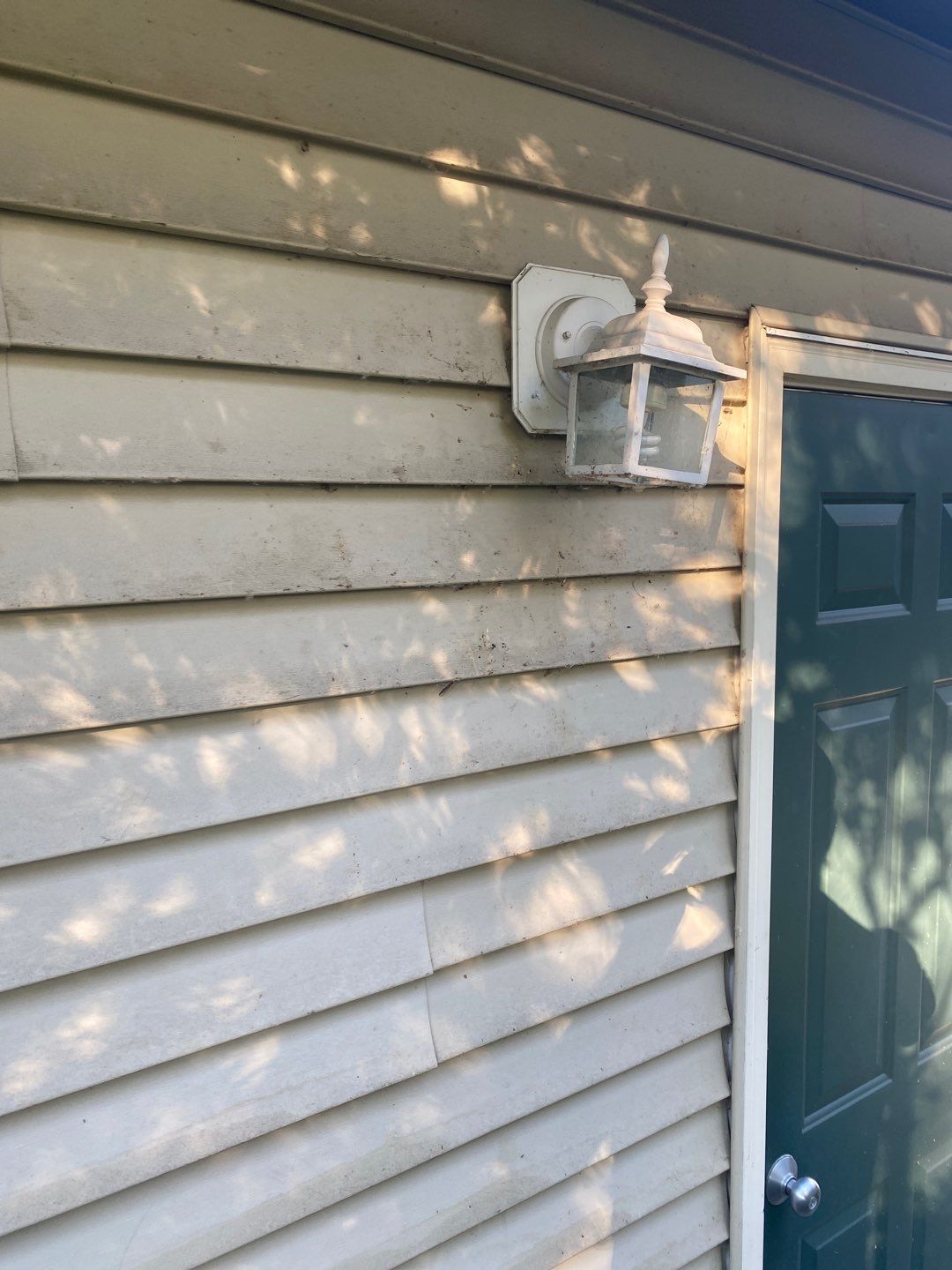
- Dark green or black streaks forming
- Permanent discoloration on vinyl or painted siding
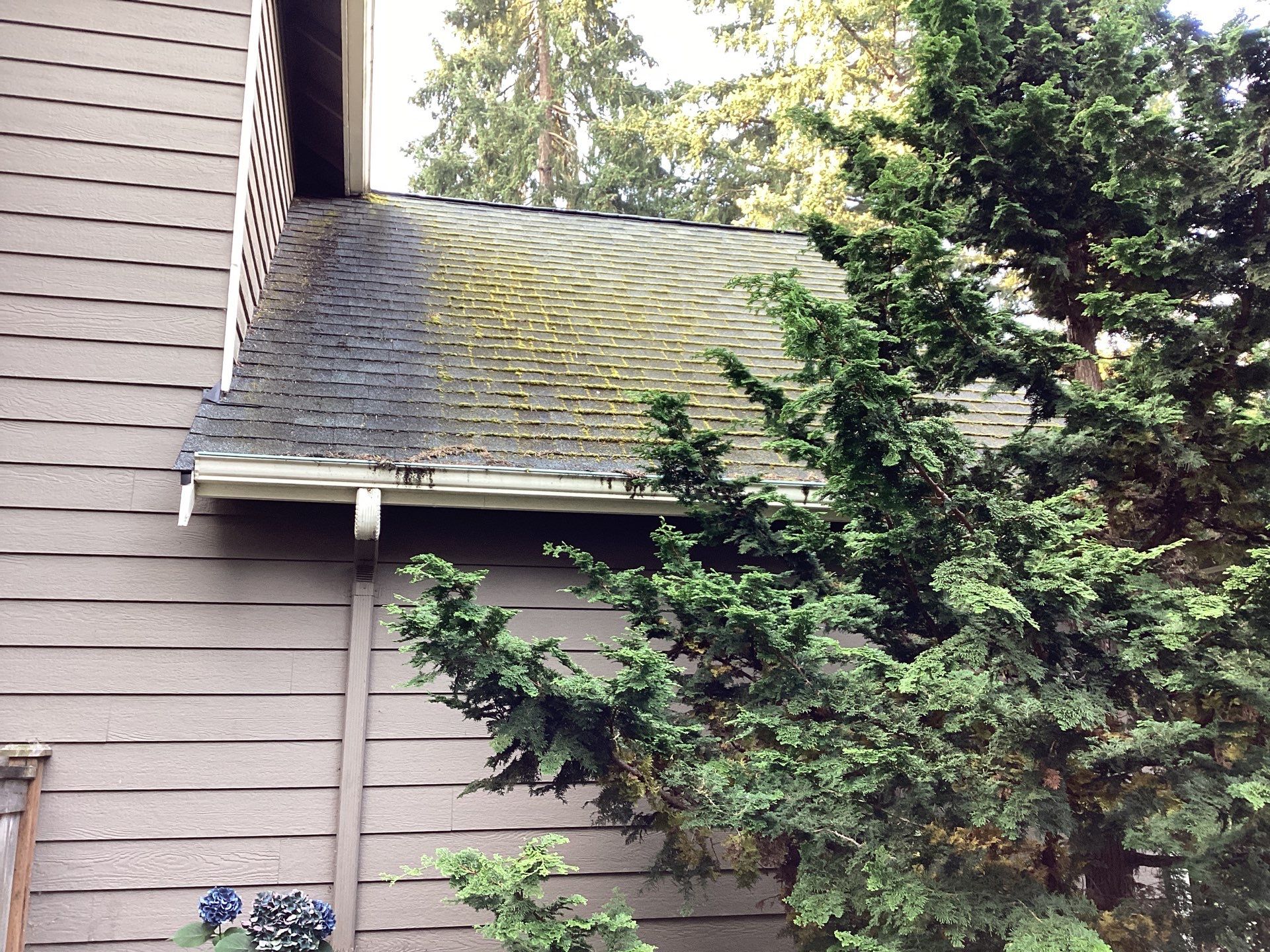
- Increased buildup under eaves and rooflines
- Siding that looks aged or neglected
These stains are not just cosmetic. Algae holds moisture against siding materials, increasing the risk of premature wear.
Why Soft Washing Is Essential for Summer House Washing
High pressure should never be used on siding, especially during warmer months when materials are more vulnerable. Soft washing is the safest and most effective method for summer house washing.
Soft washing uses:
- Low water pressure
- Cleaning solutions designed to kill algae at the root
- Controlled rinsing that protects siding finishes
This method removes growth without forcing water behind siding panels or damaging paint.
How Summer House Washing Extends Siding Life
Algae and mildew accelerate deterioration by trapping moisture. Regular house washing:
- Reduces moisture retention
- Prevents deep staining
- Protects siding finishes
- Extends the lifespan of exterior materials
Homes that are cleaned in early summer often remain visibly cleaner throughout the rest of the season.
How Often Homes Should Be Washed in Washington
Most homes in Western Washington benefit from professional house washing every 12 to 18 months. Homes with heavy shade or limited airflow may need annual service.
Scheduling house washing in early summer fits well into a long-term maintenance cycle because it builds on spring prevention and prepares the home for drier months.
Signs Your Home Needs Summer House Washing
You should consider house washing if you notice:
- Green or dark streaks forming on siding
- Dull or faded exterior appearance
- Areas that remain damp longer than others
- Visible buildup near gutters or rooflines
Early summer is the ideal time to address these issues before they worsen.
Schedule Summer House Washing
If spring growth is still visible on your siding, early summer is the right time to act. Spruce Goose Exterior Cleaning provides professional summer house washing designed for Western Washington homes and climate conditions.
FAQs
Is summer a good time for house washing?
Yes. Early summer removes spring buildup before stains become more permanent.
Will house washing damage siding in warm weather?
Not when soft washing methods are used.
How long do results last after summer house washing?
Most homes stay clean for a year or longer depending on conditions.
Does shade affect how often house washing is needed?
Yes. Shaded homes typically need more frequent cleaning.