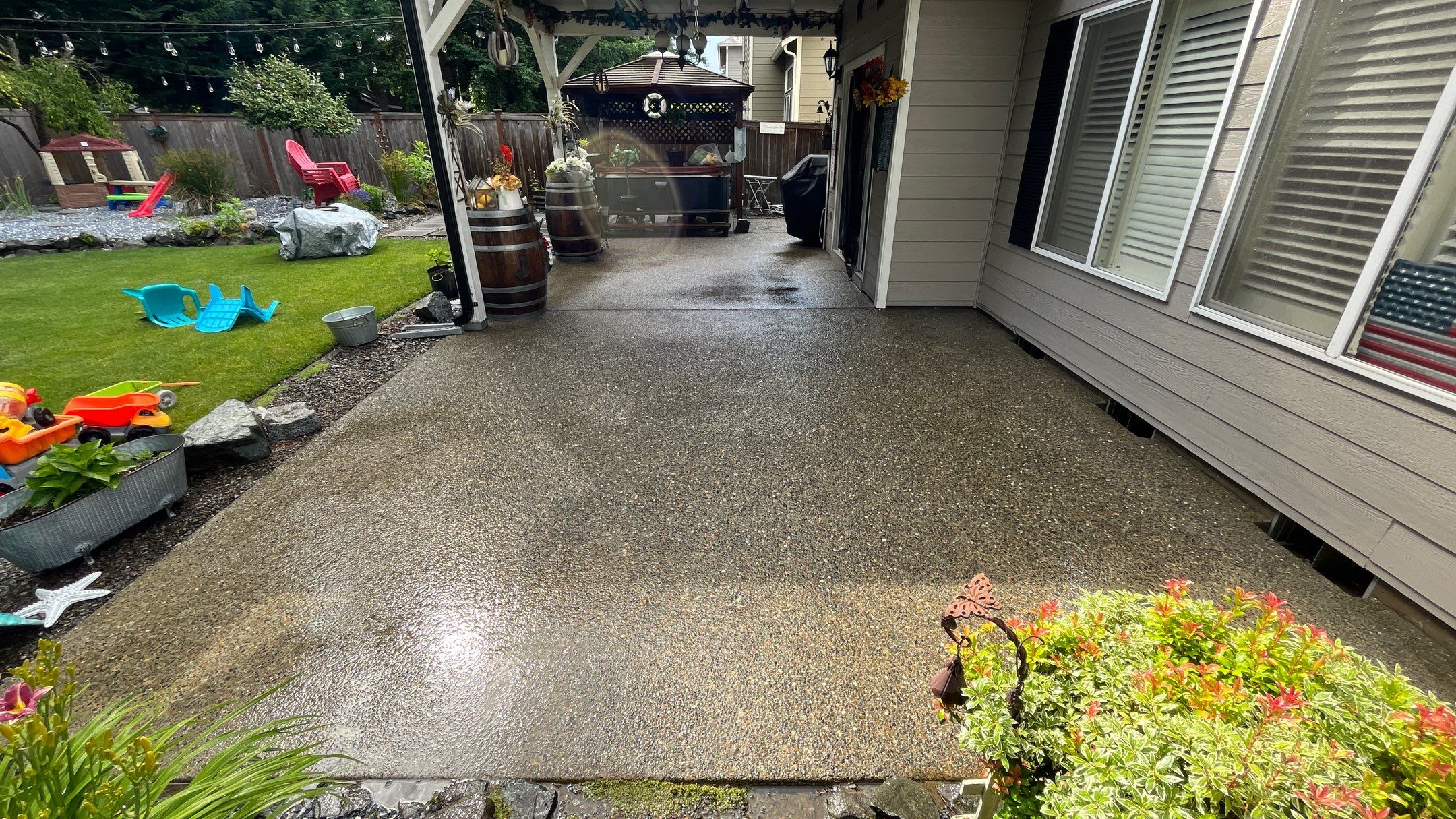

Spring is when curb appeal matters most. After months of rain, shade, and limited outdoor activity, many homeowners suddenly notice how dull their driveway, sidewalks, and walkways look. Pressure washing for curb appeal is one of the fastest and most cost-effective ways to refresh your home’s exterior and make it look well cared for as the season changes.
In Washington, winter leaves behind more than visible dirt. Moisture encourages algae growth, vehicle traffic leaves behind oil residue, and organic debris settles into porous concrete surfaces. As spring arrives and surfaces dry out, these stains become more noticeable.
Why Winter Takes a Toll on Exterior Surfaces
Concrete and hard surfaces absorb moisture throughout winter. Algae thrives in shaded areas, especially on north-facing driveways and walkways. Dirt and grime are ground into the surface by foot traffic and vehicles.
By early spring, many homeowners notice:
- Green or dark staining on concrete
- Slippery surfaces when wet
- Dull, uneven coloration
- Built-up grime near garage entrances
These issues affect both appearance and safety.
How Pressure Washing Improves Curb Appeal
Pressure washing removes surface buildup that cannot be eliminated with basic rinsing or scrubbing. When performed correctly, it restores the original color of concrete and stone surfaces.
Professional pressure washing:
- Removes algae and mildew
- Lifts embedded dirt and grime
- Improves traction on walkways
- Creates a uniform, clean appearance
The visual improvement is immediate. Clean concrete frames the home and enhances the appearance of siding, landscaping, and entryways.
Which Surfaces Benefit Most From Pressure Washing
Not all exterior surfaces should be pressure washed. Pressure washing is best reserved for durable materials such as:
- Concrete driveways
- Sidewalks and walkways
- Patios and pool decks
- Stone and masonry surfaces
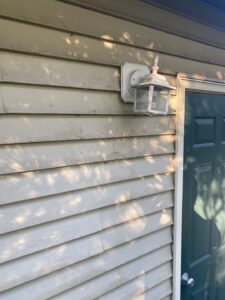
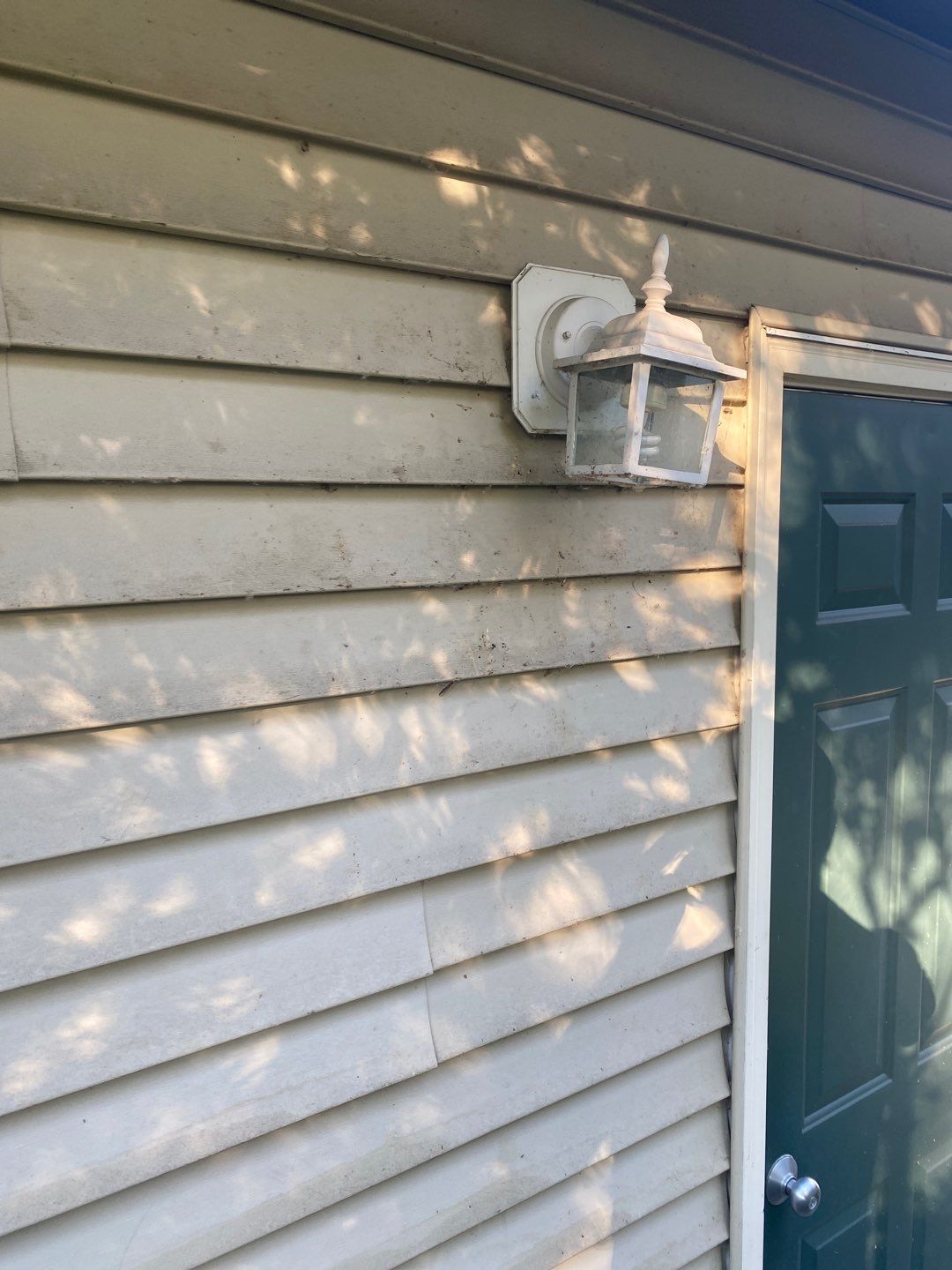
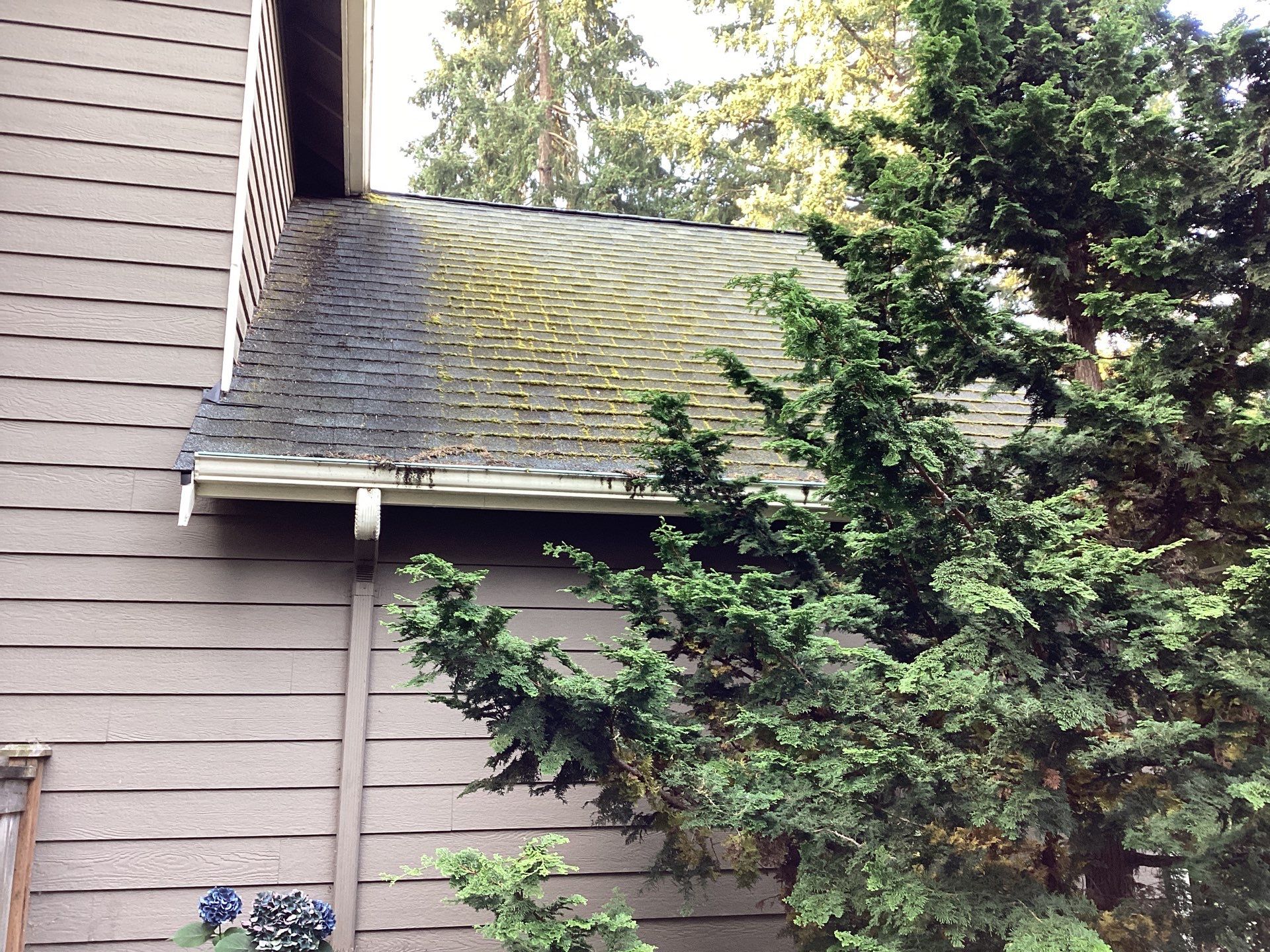
Siding and roofs require soft washing instead, as high pressure can cause damage.
Safety Benefits of Spring Pressure Washing
Slippery concrete is a common spring hazard. Algae growth creates a slick surface that increases the risk of slips and falls, especially during rain.
Pressure washing improves traction by removing algae and buildup, making walkways safer for family members and visitors.
Why Spring Is the Best Time for Pressure Washing
Spring offers ideal conditions for pressure washing:
- Winter buildup is at its peak
- Outdoor activity increases
- Surfaces dry more consistently
- Cleaning lasts longer into summer
Addressing stains early prevents deeper penetration and reduces the need for aggressive cleaning later.
Professional vs DIY Pressure Washing
DIY pressure washing often leads to uneven results. Incorrect pressure settings, improper technique, or rushing the job can leave streaks or damage surfaces.
Professional pressure washing ensures:
- Correct pressure levels
- Even cleaning across surfaces
- Protection of nearby siding and landscaping
- Long-lasting results
Proper technique matters just as much as pressure.
Pressure Washing as Part of a Larger Spring Cleaning Plan
Pressure washing works best when combined with other exterior services such as house washing, gutter cleaning, and roof cleaning. Together, these services restore the home’s exterior and create a cohesive, well-maintained appearance.
Schedule Pressure Washing for Curb Appeal
If winter has left your driveway and walkways stained or slippery, Spruce Goose Exterior Cleaning provides professional pressure washing designed to restore curb appeal safely and effectively.
FAQs
Does pressure washing damage concrete?
Not when performed using proper pressure and technique.
How often should concrete be pressure washed?
Most homes benefit from pressure washing once per year.
Can pressure washing remove oil stains?
Many oil stains can be lightened or removed, especially when addressed early.
Is spring better than summer for pressure washing?
Spring removes winter buildup before stains set permanently.